
Lower heating and cooling costs
Insulated walls resist heat flow, so your heater and air conditioner run less often. This directly cuts energy use and power bills in Dandenong North’s variable climate.
Dandenong North
Wall insulation installed in open stud frames during renovations, extensions or new builds in Dandenong North. Batts trap still air to slow heat flow through walls and improve year-round comfort.
Share your details and Expert Insulation Melbourne will contact you about Wall Insulation in Dandenong North.
Wall insulation in Dandenong North is fitted between studs in open wall frames before the lining goes on. It is the most effective time to add bulk insulation like glasswool, polyester or rockwool batts, which use trapped still air to resist heat flow. In Dandenong North’s climate of cold winters and hot summers, properly insulated walls reduce heat loss in winter and heat gain in summer, lowering energy bills and improving comfort.
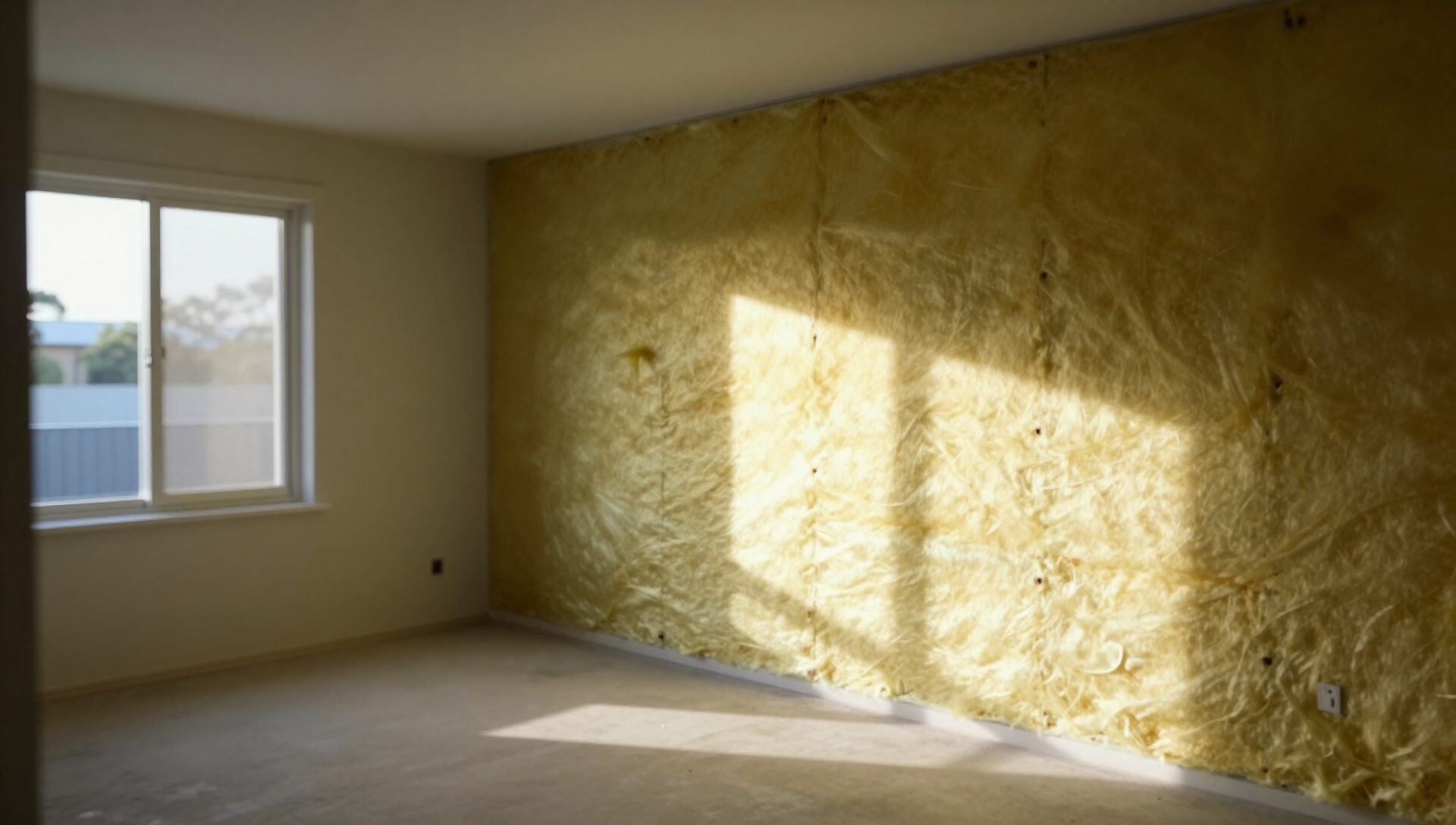
Dandenong North homes with uninsulated walls lose heat in winter and absorb heat in summer. Insulating the walls during a renovation or build slows this heat transfer, stabilises indoor temperatures and reduces reliance on heating and cooling.
Insulated walls resist heat flow, so your heater and air conditioner run less often. This directly cuts energy use and power bills in Dandenong North’s variable climate.
Bulk batts in the wall cavities slow the movement of heat, keeping rooms warmer in winter and cooler in summer without hot or cold spots near external walls.
When batts are fitted tightly between studs and around noggins, they also block gaps that let cold draughts in during winter and hot air in during summer.
Dense batts absorb sound vibrations, reducing noise transfer between rooms and from outside. Acoustic batts can be used in internal walls for extra sound control.
Bulk insulation does not settle or degrade over time if installed correctly. It maintains its R-value and thermal resistance for the life of the building.
Wall batts are ideal for timber-framed brick veneer and weatherboard homes common in Dandenong North. They fit between the studs before the internal lining is fixed.
Wall insulation is installed while the wall frame is open, before plasterboard or other linings go up. The process is straightforward and typically takes a few hours per room, depending on the size and complexity of the frame.
The installer checks the stud spacing, noggins and services in the wall frame. Batts are cut to fit snugly between studs without gaps or compression, which would reduce performance.
Batts are friction-fitted between each stud from the bottom plate to the top plate. They are held in place by the spring of the material and do not require staples or adhesive.
Batts are cut around electrical cables, pipes and other services. Gaps are minimised to maintain thermal performance and prevent draughts.
Once all batts are in place, the installer ensures there are no gaps or compression. The wall is then ready for the internal lining to be fixed over the frame.
Dandenong North has many brick veneer and weatherboard homes built on timber frames. These houses often have uninsulated external walls, which contribute to heat loss in winter and heat gain in summer. Installing wall insulation during a renovation, extension or new build improves thermal performance and comfort. Nearby areas like Dandenong and Noble Park also benefit from the same approach to wall insulation.
Wall batts installed in open stud frames to improve thermal resistance and comfort in Dandenong North homes.
Homeowners in Dandenong North often ask about the best R-value for walls, whether insulation can be added to existing walls and how long the job takes.
Wall insulation in Dandenong North is installed between the studs in open wall frames before the internal lining is fixed. Bulk insulation batts made from glasswool, polyester or rockwool trap still air to resist heat flow, which slows winter heat loss and summer heat gain through external walls. This is particularly valuable in Dandenong North, where cold winters and hot summers place high demands on heating and cooling systems.
The most cost-effective time to add wall insulation is during a renovation, extension or new build when the wall frames are exposed. Batts are cut to fit snugly between studs, around noggins and services, to avoid gaps that would let air move through. Typical wall R-values range from R2.0 to R2.7, with higher R-values providing greater thermal resistance. The choice of R-value depends on the climate, budget and available stud depth.
In Dandenong North, brick veneer and weatherboard homes on timber frames are common. These construction types are well suited to wall batts, which are friction-fitted between the studs. Properly installed wall insulation reduces energy use, improves comfort and can also dampen noise transfer between rooms and from outside. For existing walls that are already lined, cavity wall insulation may be an option, but suitability depends on the wall type and moisture conditions, which are checked on inspection.
If your Dandenong North home has open wall frames during a renovation or build, now is the time to add insulation. Call Expert Insulation Melbourne to discuss wall batts for your project.