
Warmer floors in winter
Bulk batts between joists trap still air to slow heat transfer. This stops the cold rising through floorboards so rooms feel warmer at floor level, especially in living areas and bedrooms.
Dandenong North
Underfloor insulation stops cold air rising through suspended timber floors in Dandenong North homes. We install bulk batts between floor joists in the subfloor to cut draughts and keep your feet warm.
Share your details and Expert Insulation Melbourne will contact you about Underfloor Insulation in Dandenong North.
Many Dandenong North homes have suspended timber floors that let cold air rise through gaps in the floorboards. Underfloor insulation fills the space between joists with bulk batts to block draughts and improve thermal resistance. This is a practical upgrade for older weatherboard and brick veneer houses common in the area.
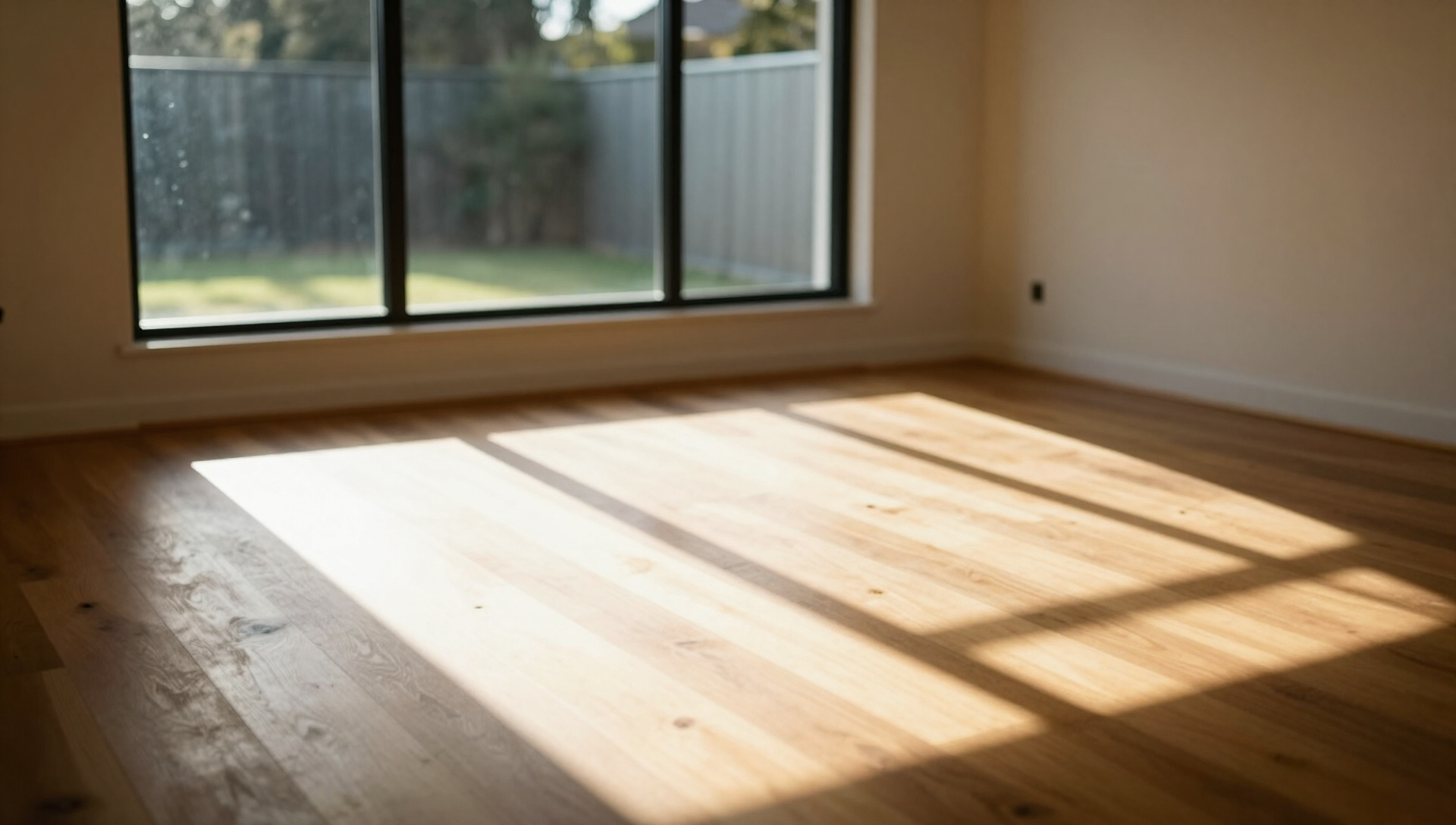
Dandenong North winters are cold and damp, and many homes here have suspended floors that let in chilly air. Underfloor insulation addresses this directly by creating a thermal barrier beneath the floor.
Bulk batts between joists trap still air to slow heat transfer. This stops the cold rising through floorboards so rooms feel warmer at floor level, especially in living areas and bedrooms.
Gaps between floorboards and around skirting let cold air in. Underfloor insulation blocks these paths, cutting draughts that make heating systems work harder.
With less cold air entering the home, your heater runs less often. Homeowners in Dandenong North often notice a drop in energy bills after installing underfloor batts.
Many Dandenong North houses were built with little or no subfloor insulation. Adding batts brings older homes up to modern comfort standards without major renovations.
A well-insulated subfloor reduces condensation on cold surfaces. This helps prevent dampness and musty smells that can occur in uninsulated crawl spaces.
We install batts from the subfloor, so there is no need to lift floorboards or remove existing flooring. Access through the crawl space is all that is required.
Installing underfloor insulation is straightforward when there is enough crawl space. We work from beneath the floor, fitting batts snugly between joists to create a continuous thermal layer.
We start by checking the subfloor for access, moisture issues and any existing insulation. If old batts are present and damaged, we remove them first. Access hatches or vents need to be large enough for installers to move through.
We measure the distance between joists and cut batts to fit snugly without compression. Glasswool, polyester or rockwool are all suitable for underfloor use, with R-values typically between R1.5 and R2.5.
Batts are friction-fit between joists to stay in place. We ensure full coverage with no gaps, and keep batts clear of electrical cables and plumbing. Stumps and bearers are worked around carefully.
After installation, we check for any remaining gaps and seal them with appropriate tape or foam. The subfloor is left clean, and access points are secured. Most jobs take a few hours depending on the floor area.
Dandenong North has a mix of older weatherboard and brick veneer homes, many with suspended timber floors. These houses often suffer from cold floors and draughts, especially in winter. Underfloor insulation is a cost-effective way to improve comfort without major structural changes. Nearby areas like Dandenong and Noble Park have similar housing stock that also benefits from this upgrade.
Stop cold floors and draughts in Dandenong North with underfloor batts installed in the subfloor.
Homeowners in Dandenong North often ask about the practicalities of underfloor insulation. Here are answers to the most common questions.
Underfloor insulation in Dandenong North targets the cold air rising through suspended timber floors in older homes. By installing bulk batts between floor joists in the subfloor, we create a thermal barrier that stops draughts and improves comfort. This is particularly effective for weatherboard and brick veneer houses common in the area.
The process involves accessing the crawl space beneath the floor, measuring the joist spacing, and fitting batts snugly without compression. Materials like glasswool, polyester or rockwool are used, with typical R-values ranging from R1.5 to R2.5 for underfloor applications. The job usually takes a few hours, depending on the size of the home and ease of access.
Dandenong North’s cold winters make underfloor insulation a worthwhile investment. It reduces heating costs by keeping warm air inside and cold air out, while also addressing draughts that can make floors uncomfortable. For homes with existing subfloor insulation that is old or damaged, removal and replacement may be necessary to achieve the best results.
If your Dandenong North home has cold floors or draughts, underfloor insulation can make a noticeable difference. We provide clear quotes and professional installation for suspended timber floors.