
Lower heating and cooling costs
Insulating the wall cavity reduces the rate of heat transfer, so your heater and air conditioner run less often. This can lead to noticeable savings on energy bills in Dandenong North’s climate.
Dandenong North Wall Insulation
Cavity wall insulation for brick veneer homes in Dandenong North cuts winter heat loss and summer heat gain through external walls. Expert Insulation Melbourne installs it with minimal disruption to your home.
Share your details and Expert Insulation Melbourne will contact you about Cavity Wall Insulation in Dandenong North.
Cavity wall insulation fills the gap between the inner and outer leaf of brick veneer walls with an insulating material. In Dandenong North, this is a practical way to improve thermal performance in many 1960s to 1990s brick veneer homes without removing internal linings. The process uses small holes drilled into the mortar joints, through which the insulation is injected before the holes are patched to match the existing brickwork.
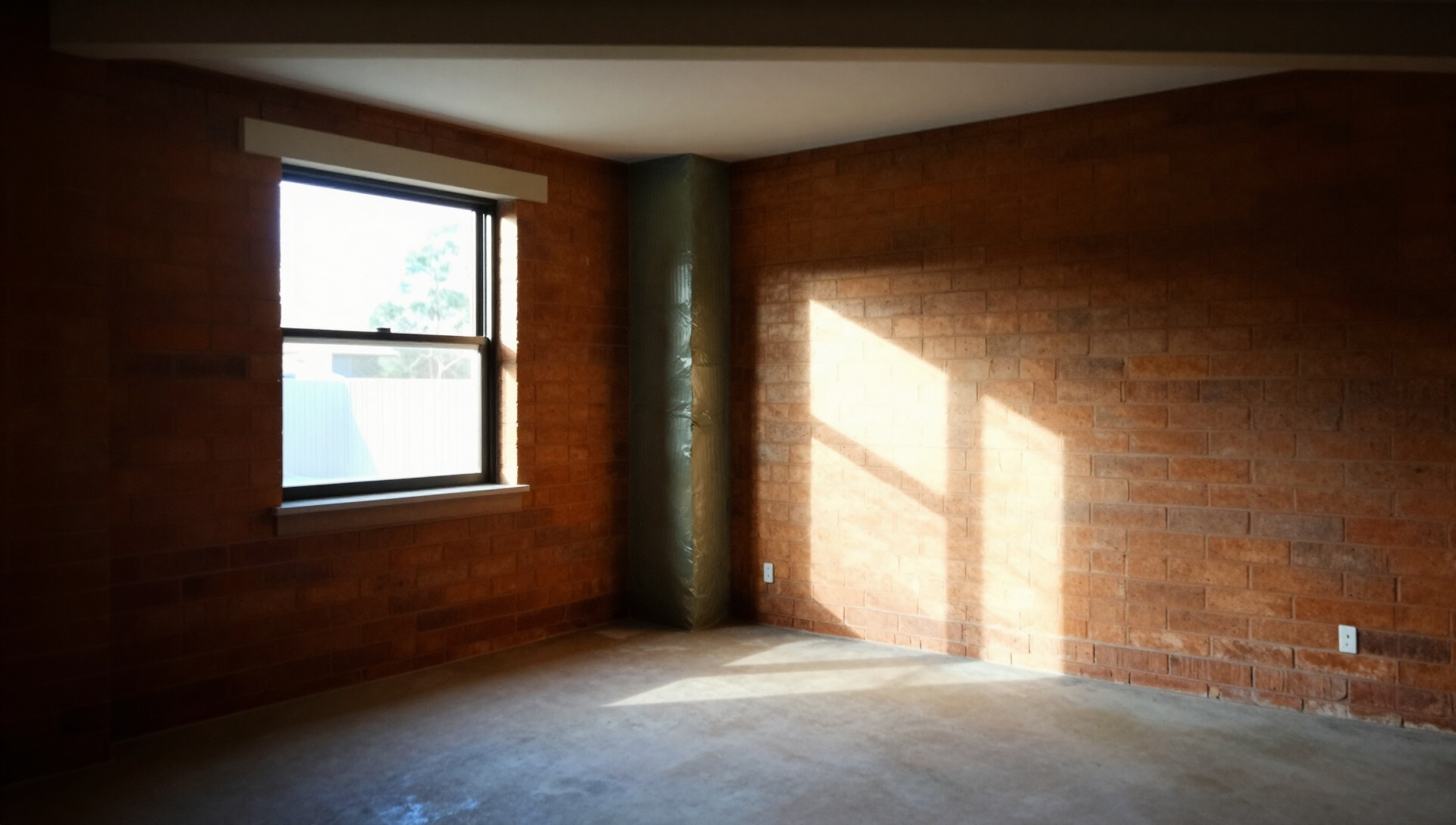
Dandenong North experiences cold winters and hot summers, and many homes here were built with uninsulated brick veneer walls. Cavity wall insulation addresses the main path of heat loss and gain through external walls, making your home more comfortable year-round.
Insulating the wall cavity reduces the rate of heat transfer, so your heater and air conditioner run less often. This can lead to noticeable savings on energy bills in Dandenong North’s climate.
Filled cavities slow down heat moving in or out, keeping living areas warmer in winter and cooler in summer. This is especially valuable in older brick veneer homes common in the area.
Uninsulated cavities can allow air movement that creates cold patches near external walls. Cavity insulation helps stabilise air flow and temperature across rooms.
Unlike internal wall linings or external cladding, cavity fill is installed within the existing wall structure. There is no reduction in room dimensions or need to re-plaster.
Most Dandenong North homes are completed in a day. The external brickwork is the only area accessed, and the small holes are colour-matched and sealed to blend in.
Your internal plaster, paint and skirting boards remain untouched. The process is designed to preserve the look of your home inside and out.
The installation follows a systematic approach to ensure full coverage and a neat finish. Every step is planned to suit your home’s wall type and access.
A site assessment checks the wall construction, cavity width and condition. We confirm the wall is suitable for cavity fill and note any obstacles like pipes or electrical conduits.
Small holes are drilled into the mortar joints at regular intervals across the external wall. These provide entry points for the insulation material without damaging the bricks.
Loose-fill or foam insulation is blown into the cavity under controlled pressure to ensure even distribution. The material fills voids and gaps without compressing or settling over time.
The access holes are plugged with matching mortar and colour-matched to the existing brickwork. The site is left clean, with no visible signs of the work once complete.
Dandenong North has many brick veneer homes built from the 1960s onwards, often with uninsulated wall cavities. These homes can suffer from cold walls in winter and heat radiating through the bricks in summer. Cavity wall insulation is a cost-effective upgrade that targets this issue directly, without the need for internal renovations. Nearby suburbs like Dandenong and Noble Park share similar housing stock, making cavity fill a common solution across the area.
Improve thermal comfort in your Dandenong North brick veneer home with cavity wall insulation installed through small external holes.
Homeowners in Dandenong North often have questions about how cavity wall insulation works, whether their home is suitable and what to expect during installation. Here are the most common queries.
Cavity wall insulation in Dandenong North is a targeted solution for brick veneer homes that lack thermal protection in their external walls. Many properties in this suburb were constructed during a period when wall insulation was not standard practice, leaving them vulnerable to heat loss in winter and heat gain in summer. By filling the cavity between the inner and outer brick leaves, this method reduces the transfer of heat through the walls, leading to a more stable and comfortable indoor environment.
The process is non-invasive and does not require the removal of internal wall linings, making it a practical choice for established homes. Installers drill small holes into the mortar joints, inject the insulation material and then seal the holes to restore the wall’s appearance. This approach is particularly effective for Dandenong North’s climate, where temperature extremes can place significant demands on heating and cooling systems. Properly installed cavity insulation can also help mitigate issues like cold spots near external walls and draughts that enter through gaps in the wall structure.
Not all wall types are suitable for cavity fill, so a pre-installation inspection is essential. Factors such as cavity width, the presence of moisture barriers and the condition of the existing wall all influence whether the method can be applied. In Dandenong North, brick veneer is the most common candidate, but double brick walls may also be assessed on a case-by-case basis. Homeowners should also be aware that if old insulation is present and appears degraded or suspect, work stops until a qualified asbestos assessor inspects it.
If your Dandenong North home has uninsulated brick veneer walls, cavity wall insulation can improve comfort and reduce energy costs. Contact Expert Insulation Melbourne to arrange an inspection and quote.